Daiho-in is one of the sub-temples of Myoshinji Temple, founded in 1625. It was established as a family temple by Osahime, the granddaughter of Sanada Nobuyuki, the lord of Matsushiro Domain, following his dying wish. Sanada Nobuyuki was the elder brother of Sanada Yukimura, a famous warrior of the Sengoku period.
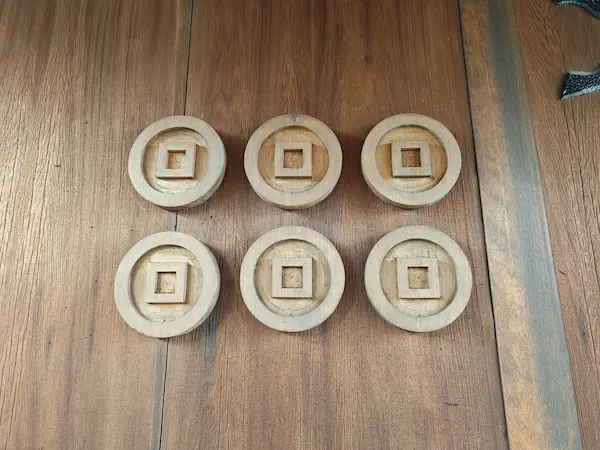
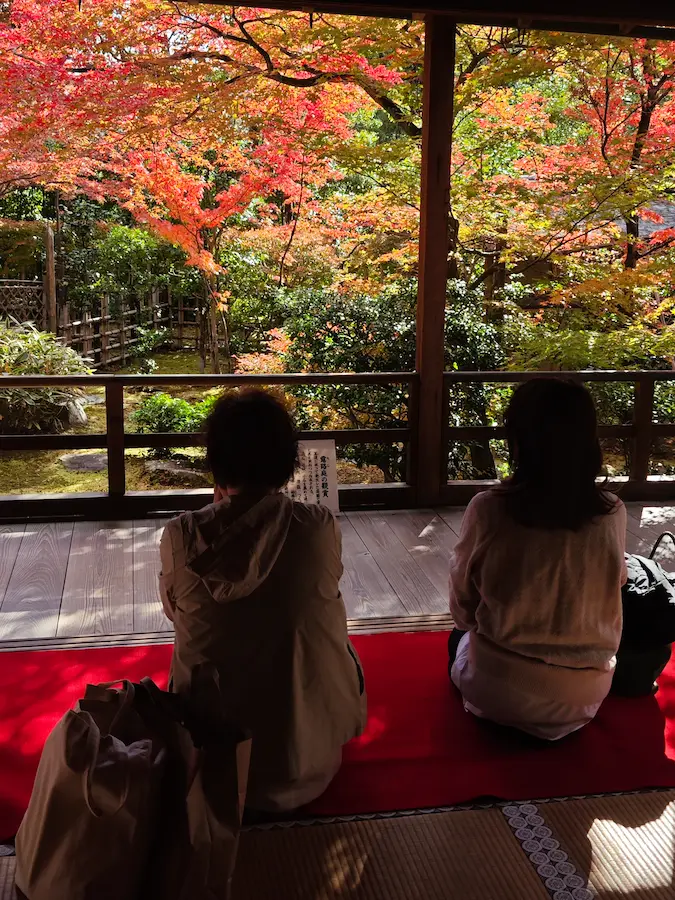
The main attraction of Daiho-in is its roji garden surrounding the study.
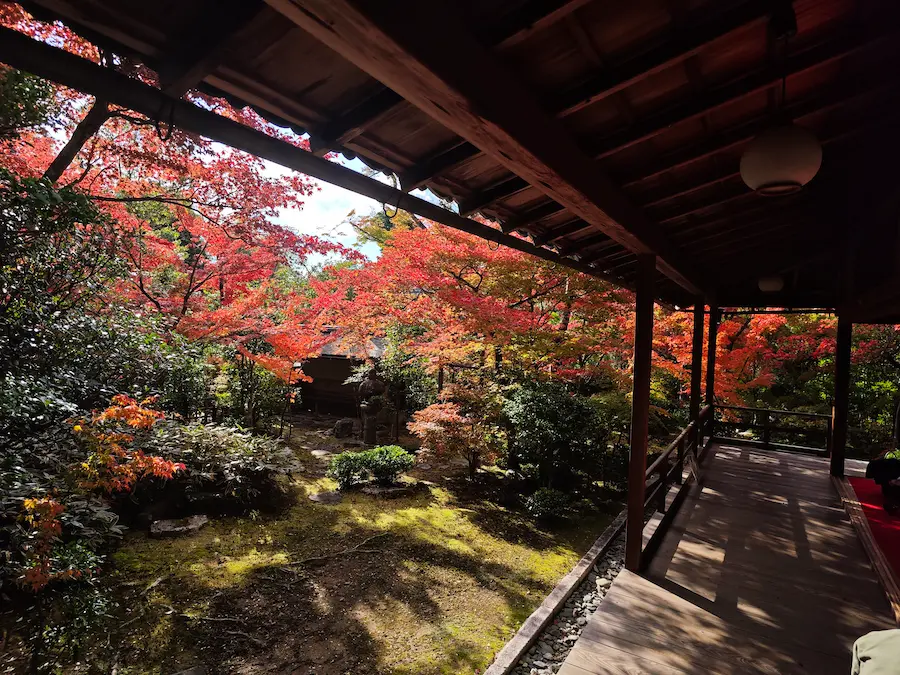
This garden is designed around the approach to the tea room called “Yurinken” and is particularly beautiful during the autumn foliage season.
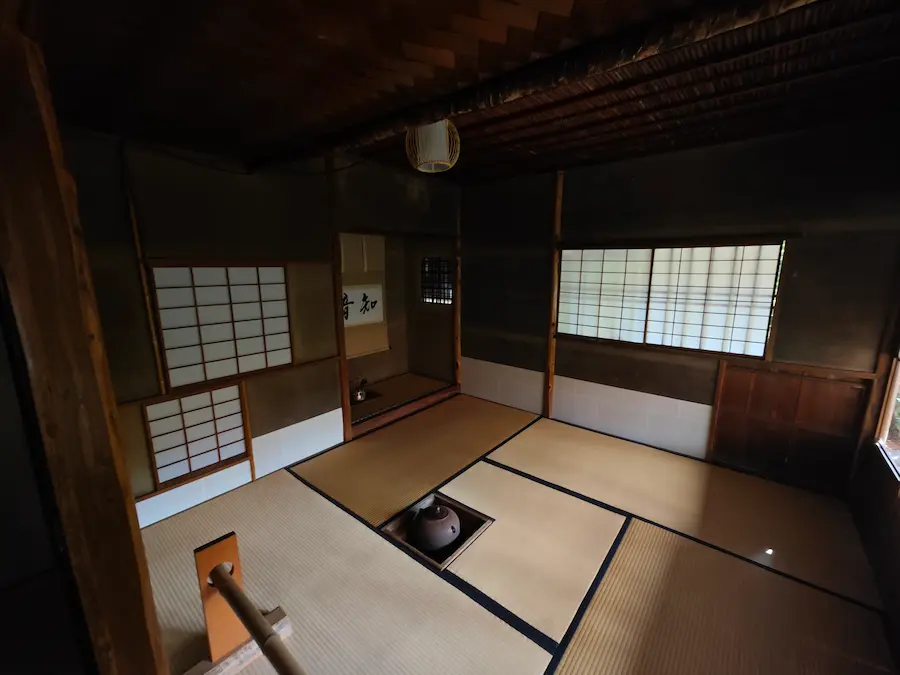
The garden features a waiting bench, stone lanterns, stepping stones, and a tsukubai, creating an atmosphere that evokes the world of tea ceremony.
Daiho-in is also known as the burial site for people associated with the Sanada family.
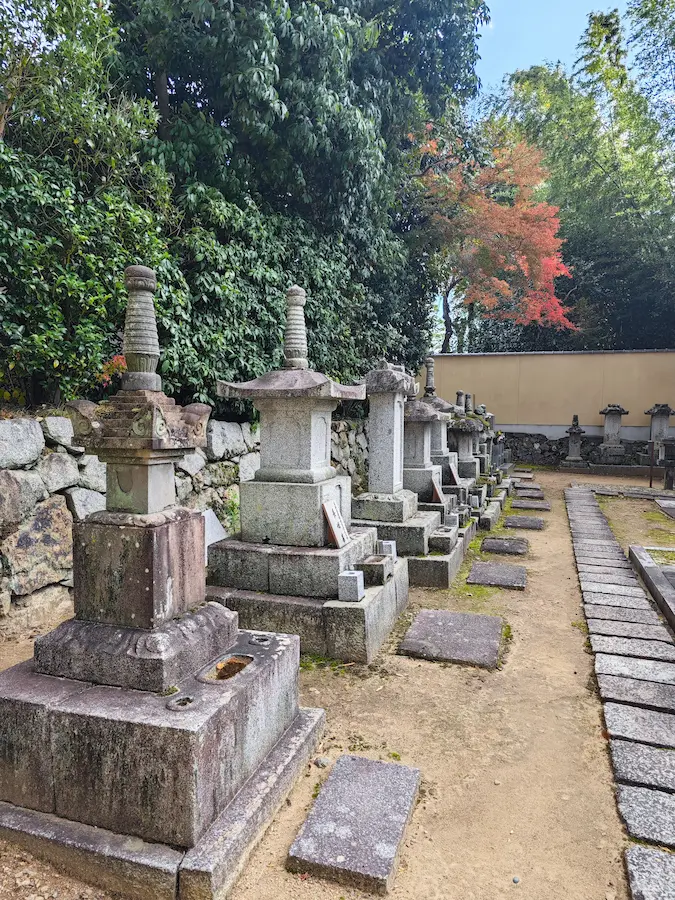
It contains the graves of Sanada Nobuyuki and his eldest son Sanada Nobuyoshi, as well as those of Osahime and other members of the Sanada clan from Matsushiro Domain. Additionally, the grave of Sakuma Shōzan, a late Edo period thinker and Confucian scholar of Matsushiro Domain, is located here, making it an important place for people with connections to Nagano Prefecture.

Opening periods of Daiho-in Temple
While usually closed to the public, Daiho-in offers special viewing periods in spring and autumn, with an admission fee of 800 yen that includes matcha tea and sweets.
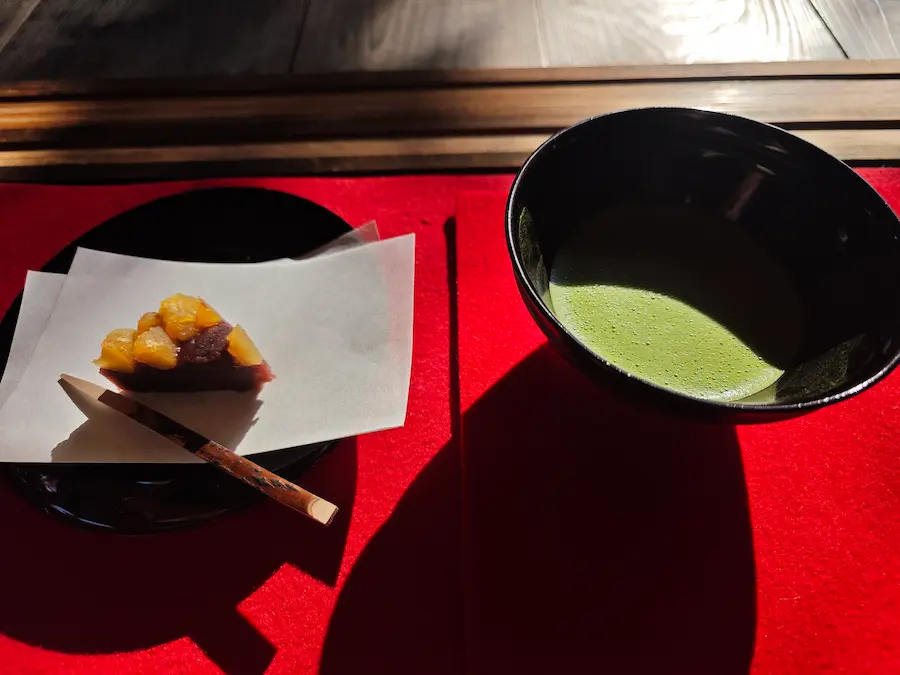
Daiho-in stands out among Myoshinji’s sub-temples for its historical significance, beautiful garden, and the fusion of tea ceremony culture.
Reference: Kyoto City Official Travel Guide
Nearby spots
The temple complex of Myoshinji covers an extensive area of approximately 82 hectares. There are several sub-temples within the complex, each with its own unique atmosphere and architectural features. These sub-temples may have additional halls, gardens, tea houses, or historical structures that are worth exploring.
Some of the notable sub-temples include Taizo-in, Keishun-in, Torin-in, Daisin-in, Daiou-in, Shunko-in, Esho-in, and Ryogen-in, among many others.
Related articles:
[…] Daiho-in temple is another sub-temple of Myoshinji. It’s open for the public in spring and autumn. It is famous for the garden. […]
[…] of the notable sub-temples include Taizo-in, Keishun-in, Torin-in, Daisin-in, Daiou-in, Daiho-in, Shunko-in, Esho-in, and Ryogen-in, among many […]