History of the temple
Koshoji Temple is a Soto Zen Buddhist temple located in Uji City, Kyoto Prefecture. Founded in 1233 by Zen Master Dogen, it is known as the oldest Soto Zen temple in Japan. Initially situated in Fukakusa, Kyoto, it was relocated to its current location in Uji in 1645.
The temple complex of Koshoji was built using structures from Fushimi Castle, giving it a unique architectural style. The main buildings include the Hondo (main hall), Daishoin (great study hall), Kaisando (founder’s hall), Tenjukudo, treasure house, and Sodo (monks’ hall).

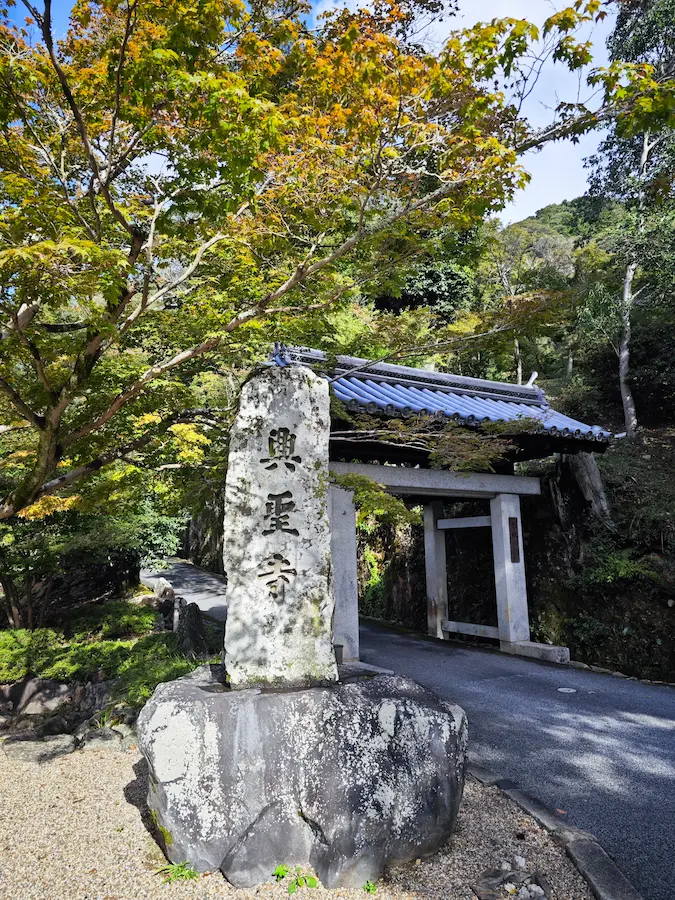
Passing through the stone gate from the bank of the Uji River, a beautiful sloping approach with the sound of murmuring water, called Kotozaka, leads to the temple. This approach is decorated with beautiful autumn leaves in the fall.
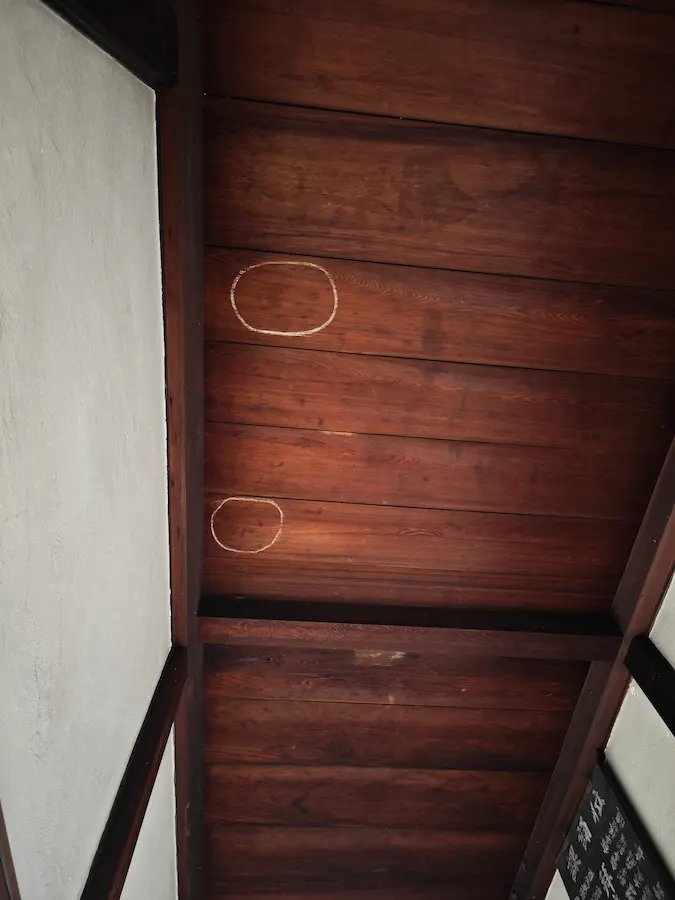
Blood ceiling in Koshoji Temple
One of the temple’s notable features is the “Blood Ceiling.” This refers to handprints and footprints on the ceiling of the Hondo, said to have been left by samurai who committed ritual suicide during the Ishida Mitsunari’s attack to the Fushimi Castle in 1600. This blood ceiling is a valuable cultural heritage that tells a dark chapter of Japanese history.
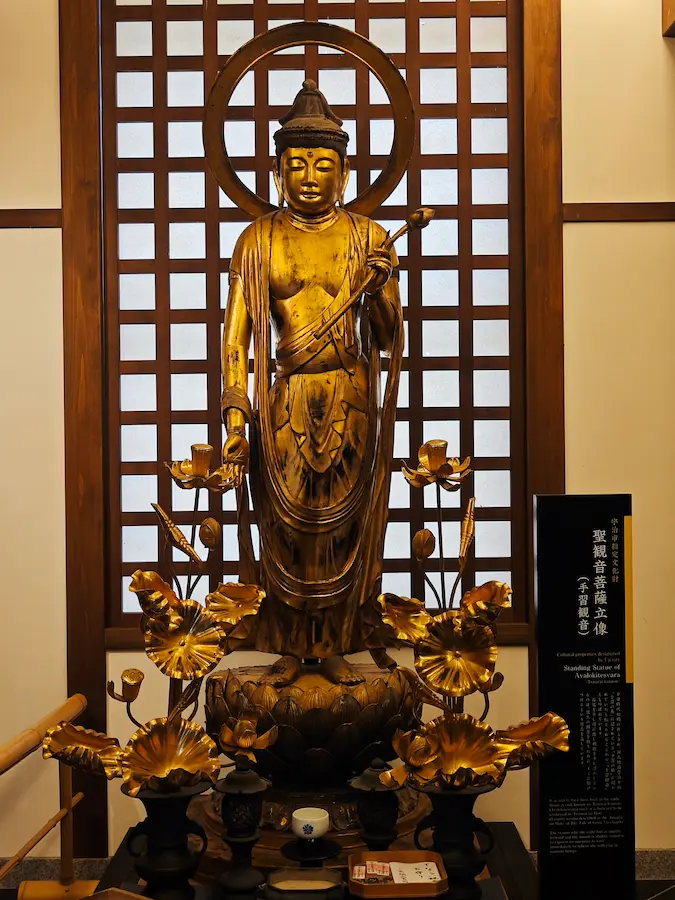
Koshoji houses precious Buddhist statues, including a statue of Shakyamuni Buddha said to have been made by Dogen himself, and a standing statue of Kannon Bodhisattva from the early Heian period.

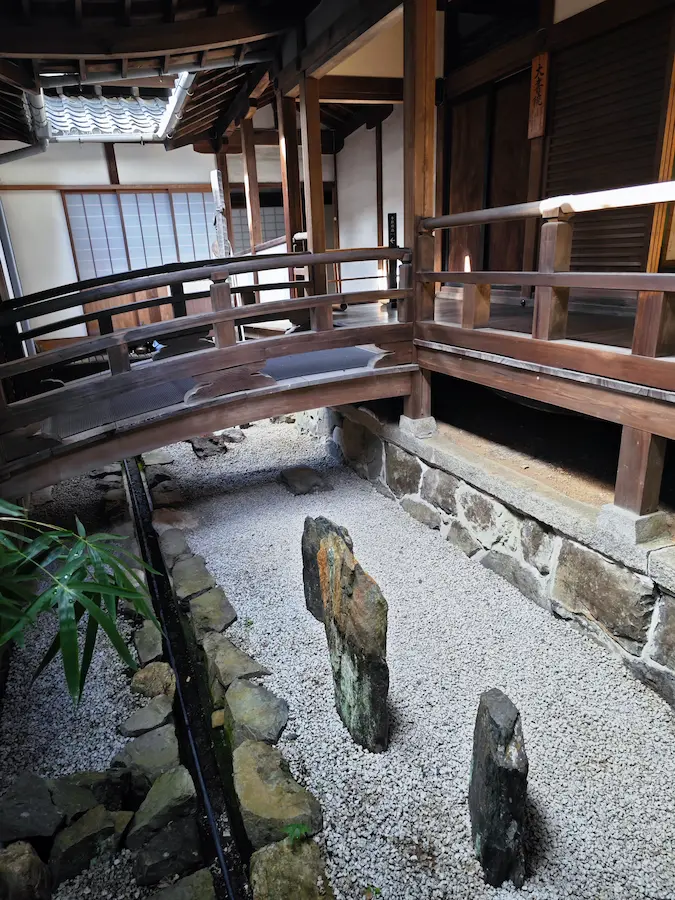
The temple also boasts beautiful Japanese gardens, including a dry landscape garden and a pond garden.

The temple offers Zen meditation and sutra copying experiences open to the general public. Through these experiences, visitors can connect with Zen culture and traditional Japanese spirituality.

Koshoji is also known as the venue for the “Uji Tea Festival” held every October. This event features various ceremonies celebrating tea culture, allowing visitors to experience the history and tradition of Uji tea.
This temple is a precious place where one can experience Japanese Zen culture, architecture, garden art, and history all at once. With its serene atmosphere allowing visitors to feel the depth of Japanese spiritual culture, Koshoji is an extremely attractive destination for foreign tourists interested in Japanese culture. If you visit the famous Uji Byodoin Temple, why not extend your visit here?
Nearby Spots of Koshoji Temple
After all, Uji Byodoin Temple is a place not to be missed. It is no exaggeration to say that it is the one and only building that conveys the beauty of the Heian period.
Another World Heritage site, Ujikami Jinja Shrine was founded in the late Heian period. This shrine with about 1,000 years of history boasts the oldest existing main hall (honden) in Japanese shrine architecture.
Related articles:
[…] Koshoji Temple belongs to the Sodo School of Zen Buddhism. This temple is a precious place where one can experience Japanese Zen culture, architecture, garden art, and history all at once. […]
[…] Koshoji Temple belongs to the Sodo School of Zen Buddhism. This temple is a precious place where one can experience Japanese Zen culture, architecture, garden art, and history all at once. […]
[…] Koshoji Temple belongs to the Sodo School of Zen Buddhism. This temple is a precious place where one can experience Japanese Zen culture, architecture, garden art, and history all at once. […]