A Hidden Treasure Trove Connected to Ikkyu and Murasaki Shikibu
Shinjuan, one of the sub-temples (tacchu) of the Rinzai Zen Buddhist temple Daitokuji in northern Kyoto, is a special sanctuary where Japanese history and culture converge. This temple was founded by the famous Zen master Ikkyu Sojun, known for his witty remarks, and was built in 1491 by Owa Sorin, a wealthy merchant from Sakai. While Shinjuan is usually closed to the public, it opens for special viewings once every three years. It offers a rare opportunity to view precious cultural assets and artworks normally hidden from sight.
Highlights of Shinjuan
Important Cultural Properties
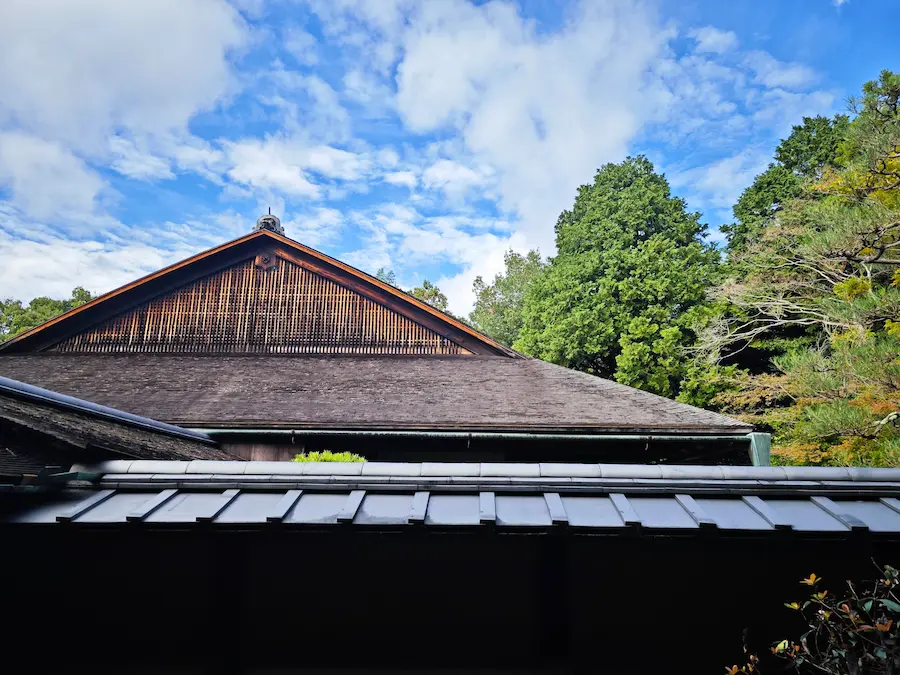
The main hall, the study called “Tsusen-in,” and the tea room “Teigyokken” are designated as Important Cultural Properties of Japan. Tsusen-in, in particular, is of high historical value, having been relocated from the residence of an court lady of Emperor Ogimachi in 1638.
Scenic Garden
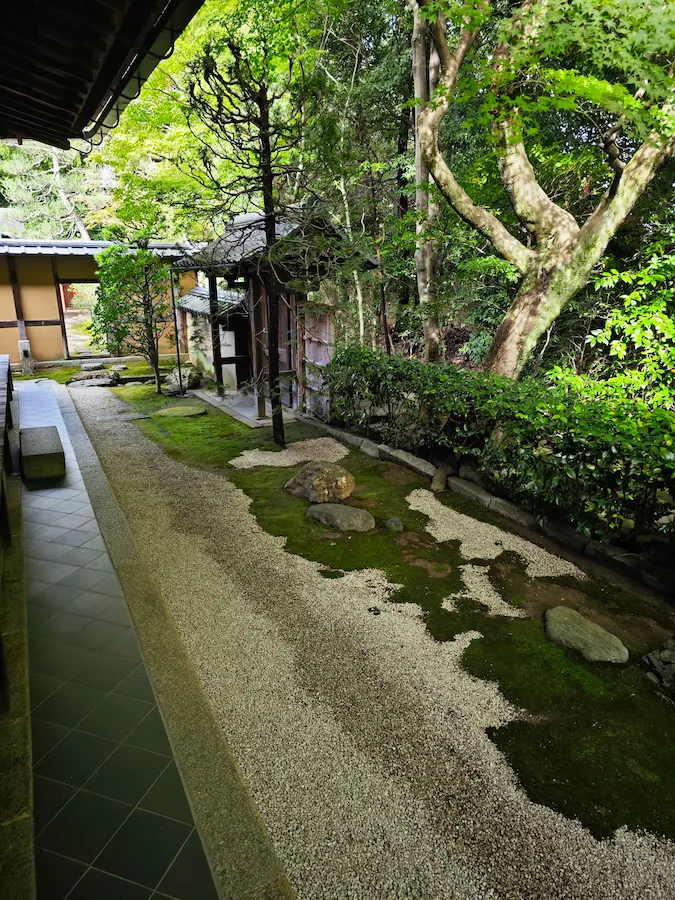
The eastern garden of the main hall, known as “Shichigosan no Niwa” (Garden of 7-5-3), is designated as a national scenic spot and historic site. This garden is said to have been designed by Murata Shuko, the founder of wabi-cha tea ceremony
Fusion with Contemporary Art
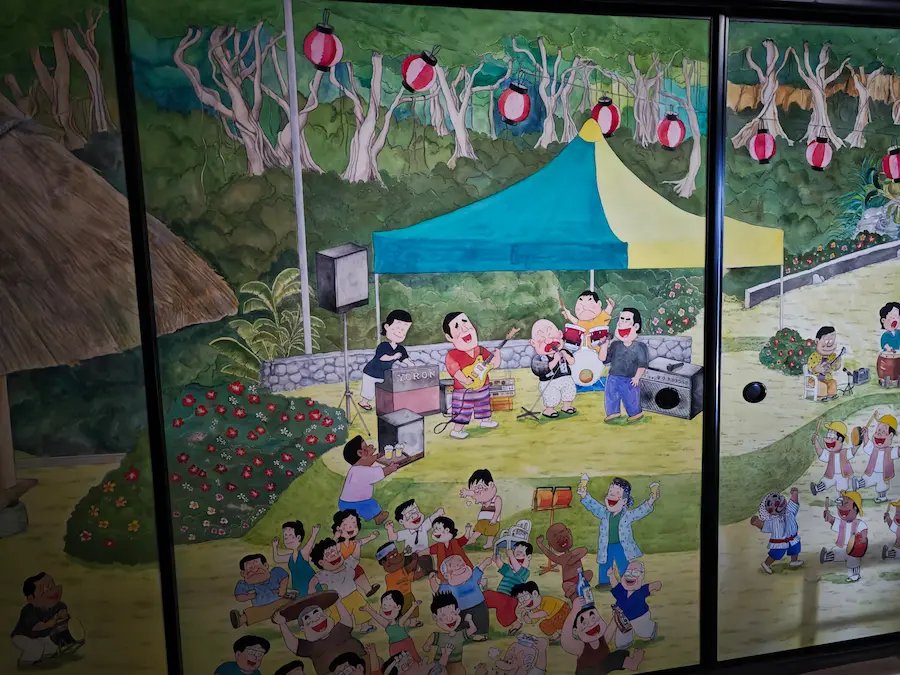
The sliding door paintings in the main hall, renewed in 2018 for the first time in about 400 years, were created by six contemporary Japanese cultural figures, including manga artist Kenichi Kitami and game designer Isamu Kamikokuryou.

Connection to Murasaki Shikibu
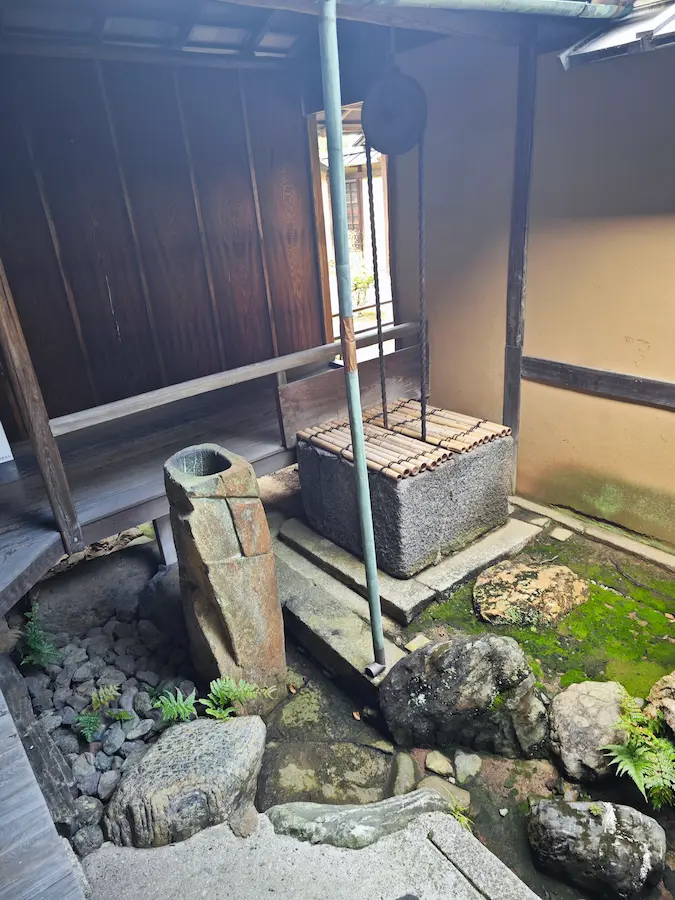
Within the temple grounds, there is a well that is said to have been used for the first bath of Murasaki Shikibu, the author of “The Tale of Genji”.
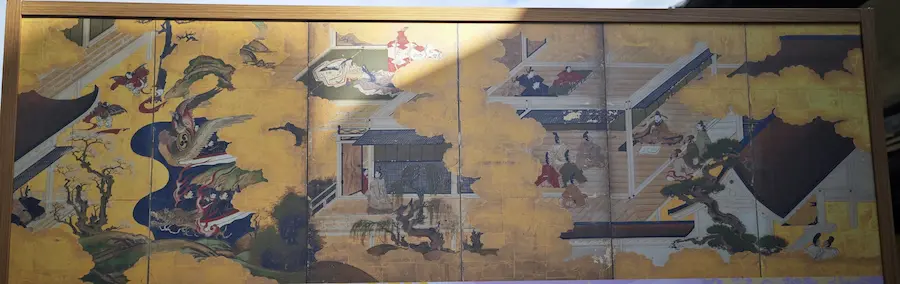
Shinjuan also owns a Tale of Genji folding screen. However, it is usually closed to the public.
Other Daitokuji sub-temples
Shinjuan is located within the Daitokuji temple area. It can therefore be visited in combination with a number of other sub-temples.
Soken-in Temple
In the main hall of Soken-in there is a wooden seated statue of Oda Nobunaga (Important Cultural Property) dedicated by Hideyoshi.
Daisen-in Temple
Daisen-in is the most important sub-temple. It is open to the public.
Hoshun-in Temple
Hoshun-in Temple has a bonsai garden. This garden is open to the public for a fee. It is not to be missed by anyone interested in bonsai.
Korin-in Temple
Korin-in is open on special occasions in spring and autumn.
Zuiho-in Temple
Zuiho-in has the famous “cross garden”.
Ryogen-in Temple
Ryogen-in has three dry landscape gardens. The original buildings, the Hojo, Karamon, and Omotemon, are important cultural properties.
Obai-in Temple
The gardens in Obai-in temple are must see if you have chance. Obai-in is only open to the public during limited times of the year.
Nearby spots from Daitokuji Temple
Imamiya Jinja Shrine is located just north of Daitokuji Temple.
Related articles:
[…] Shinjuan is famous for being founded by the famous monk Ikkyu. It has also tried innovative approaches, such as using the works of cartoonists and game creators as sliding door paintings. Unfortunately, it is only open to the public once every three years. […]