Seirai-in Temple is one of the sub-temples (tacchu) of Kennin-ji Temple, a famous Zen temple in Kyoto. Seirai-in Temple was founded during the Oei era (1394-1427) of the Muromachi period by Lanxi Daolong (Rankei Doryu), a renowned Zen monk who came from China.
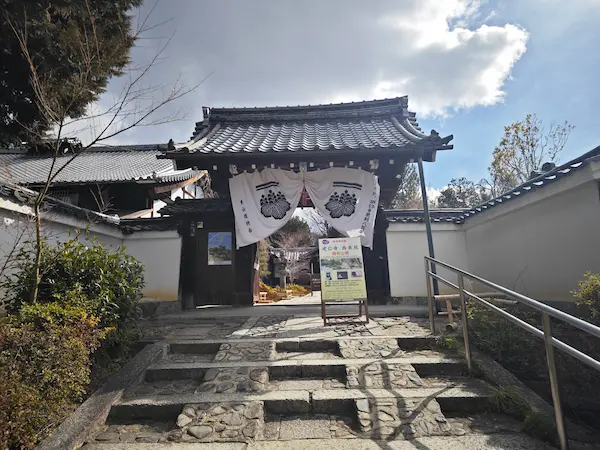
The most distinctive features of Seirai-in Temple are its historical significance and beautiful garden. In front of the main hall, there is a dry landscape garden featuring large rocks brought from Mount Emei in Sichuan Province, China, the hometown of Lanxi Daolong. This garden is composed of moss, pine trees, maple trees, and stones, and is particularly beautiful during the autumn foliage season.

In preparation for the 750th memorial service of Lanxi Daolong in 2028, Seirai-in underwent major renovations. A new white dragon painting was added to the ceiling of the main hall, captivating visitors. This is the work of Cheng Man from China.
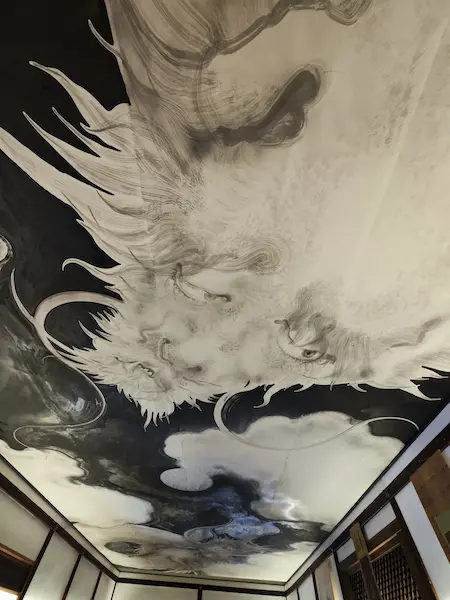
While Seirai-in is usually closed to the public, it can be visited during special opening periods.
Seirai-in offers a precious opportunity to experience Japanese Zen culture and history. In its tranquil atmosphere, visitors can connect with the spirit of “Kissako” (please have some tea), a Zen phrase that Lanxi Daolong introduced to Japan over 800 years ago.
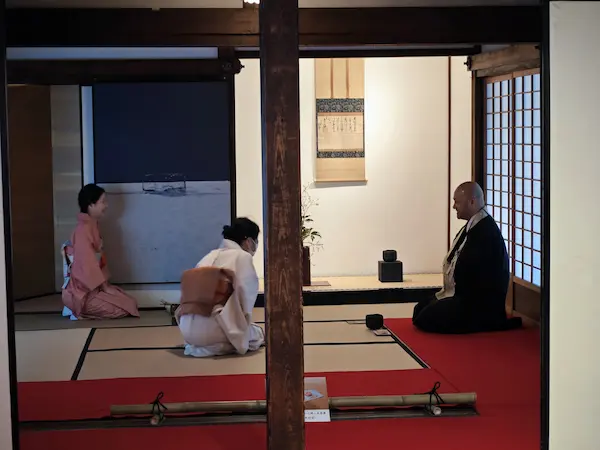
Seirai-in Temple is open to the public only for very limited periods. If you are in Kyoto and it is open to the public, please visit. It is located near the entrance to Kenninji Temple.
Nearby spots of Seirai-in Temple
You of course cannot miss Kenninji Temple. Some of the sub-temples are happen to be open to the public, so be sure to stop by there as well.
Kenninji Temple has many sub-temples around main temple ground. They include Kyushoin Temple, Rokudo Chinnoji Temple, Reigen-in Temple, Shoden Eigen-in Temple, Ryosoku-in Temple, and others. These temples occasionally open the gate to the public.